How Long Does a Home Inspection Take?
Oregon sets no minimum duration. What the rule does set is the ground an inspector has to cover, which is the honest way to judge whether yours was long enough.
Oregon law sets no minimum duration for a home inspection. Two to three hours is the common industry figure for an average single family home. Oregon does require a written report addressing all ten system categories in OAR chapter 812 division 8. Coverage is the better test than time.
No rule sets a clock
Nothing in OAR chapter 812 division 8 states how long an inspection must last. Anyone quoting a required duration is quoting a trade association or their own policy, not Oregon law.
Two to three hours is the figure most often repeated for an average single family home. Treat it as an industry norm, because that is all it is.
A 900 square foot condo and a 4,000 square foot house on a hillside are not the same job. Neither is a 1912 bungalow with knob and tube wiring compared with a 2021 build.
Judge it by coverage, not by hours
Division 8 names ten system categories. They run from structural components at OAR 812-008-0205 through built-in kitchen appliances at OAR 812-008-0214.
OAR 812-008-0202 states it is not sufficient for an inspector to prepare a report listing only deficiencies. Every listed item has to be addressed, including the ones that were fine.
So the question is not how many hours were spent on site. It is whether all ten categories appear in the report you received.
- Structural components, OAR 812-008-0205
- Exterior and site, OAR 812-008-0206
- Roofing, OAR 812-008-0207
- Plumbing, OAR 812-008-0208
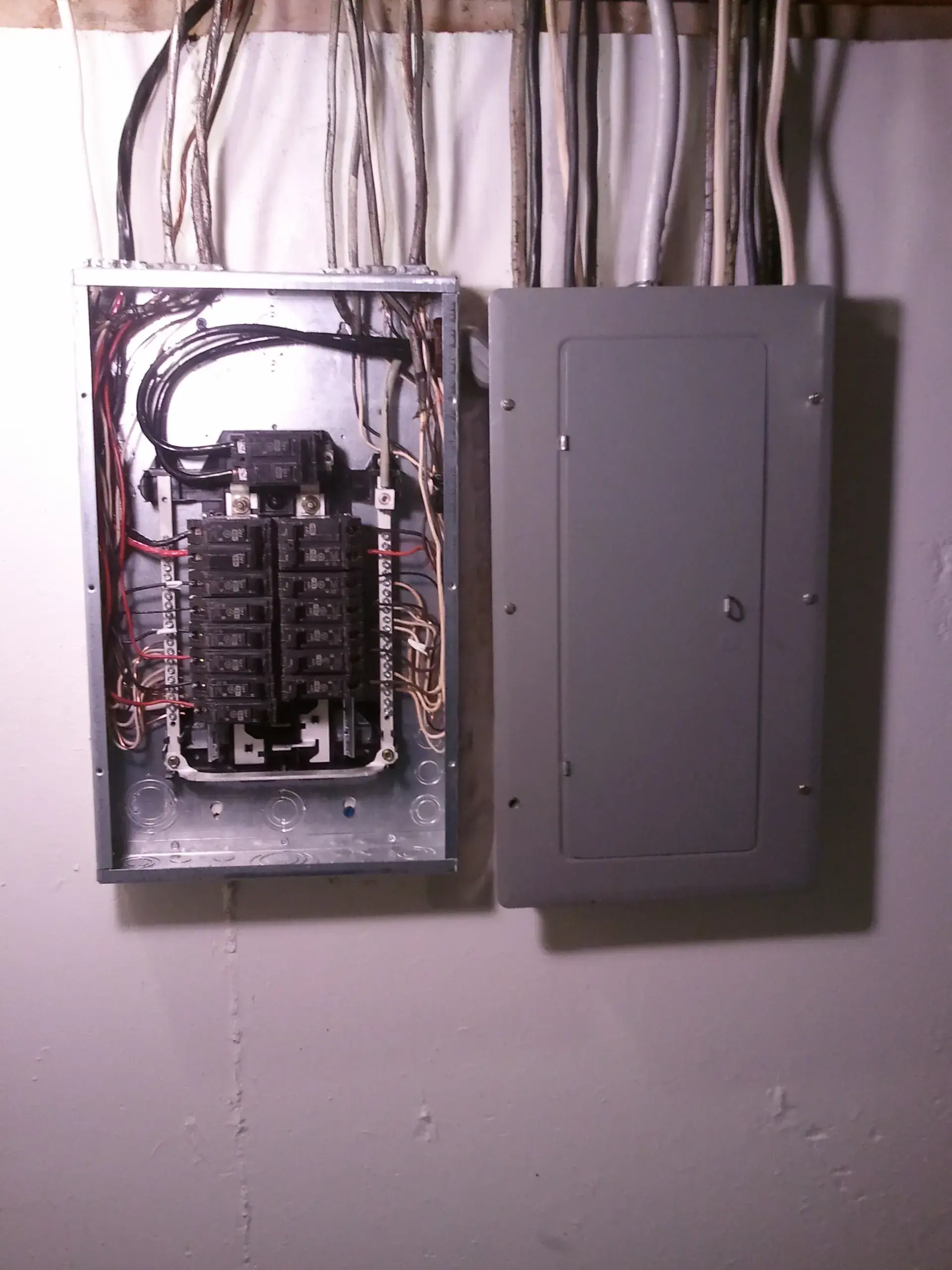
- Electrical, OAR 812-008-0209
- Heating, OAR 812-008-0210
- Central air conditioning, OAR 812-008-0211
- Interiors, OAR 812-008-0212
- Insulation and ventilation, OAR 812-008-0213
- Built-in kitchen appliances, OAR 812-008-0214
What legitimately shortens it
The inspection is visual and not technically exhaustive under OAR 812-008-0203. That single sentence governs every limit below it.
An inspector is not required to move furniture, insulation, personal items, soil, snow, ice or debris. They are not required to enter areas or perform procedures that risk damage or danger.
A crawlspace packed with stored boxes genuinely limits what can be examined. So does a roof under snow in Bend in January. Those belong in the report as stated limitations, not as silence.
What a short inspection should still produce
Access problems do not remove the reporting duty. They convert into limitations the report has to name.
If your report is quiet about the crawlspace, ask whether it was entered. An inspector who could not get in should have written that down.
Asked and answered
Not necessarily. Oregon sets no minimum. Check the report addresses all ten categories in division 8, and that anything skipped is named as a limitation rather than left out.
Only if it is safe. OAR 812-008-0204 says an inspector is not required to perform procedures that risk damage or danger. A wet, steep or snow covered roof is commonly inspected from the ground or an eave.
Oregon sets no delivery deadline, so it is a contract term. The date matters, because the one year window to complain to the CCB under ORS 701.143 starts when the initial written report is delivered.